Hello, september!
September has always been an exciting and hopeful month for me. It signified new beginnings and to this day, still does. September meant the start of school and my birthday at the end of the month. These events were significant for me because they brought fresh hope for what was to come. Now, it seems most schools start their year in August, which has always irked me. It’s too hot to start school and it still feels like summer in my mind. I feel bad for the kids. Where is that excitement for new beginnings when your summer has been hijacked by going back to school?
I may be older now but that hope is still there. New chapters can be started at any time of the year. I love the idea of anticipating what is to come. Perhaps I am an eternal optimist, but I like being that way. Life can be too dang depressing if we let it be, am I right?
You may be asking yourself, this is a blog for a financial coach, why is she talking about new beginnings and eternal optimism? The answer is this: when it comes to our finances, we need to be able to have hope for the future. We need to have an optimistic view that things will get better. So you made terrible decisions and are stressed beyond measure right now? Just know that things can turn around. It has to start with you and changing your mindset.
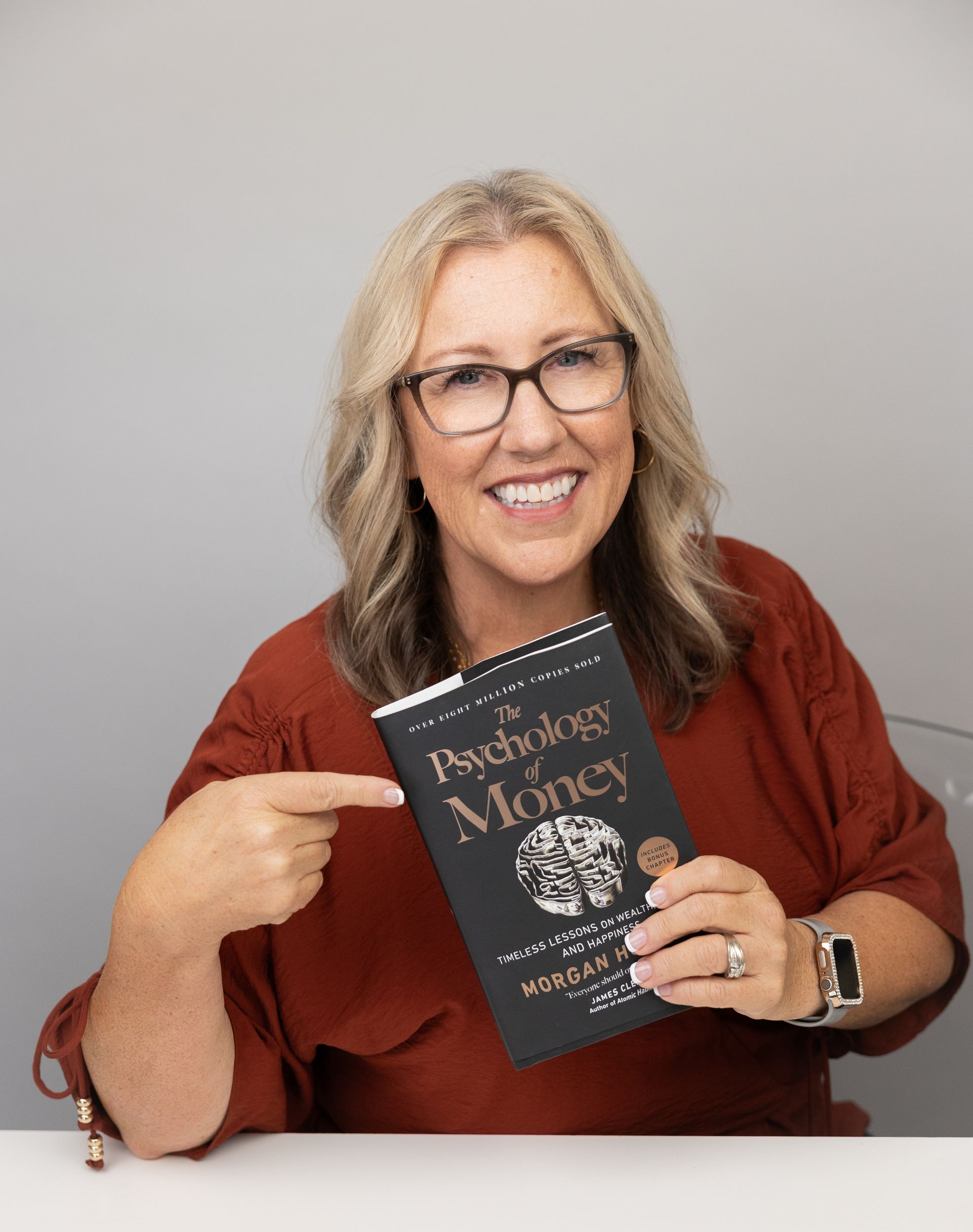
I think many people don’t understand that our finances are not only influenced by our paychecks, but by the money scripts that go unchecked in our subconscious. One of my favorite books is The Psychology of Money by Morgan Housel. If you haven’t had the opportunity to read this, I highly recommend it. The book talks about why people behave the way they do when it comes to money. Once you understand that we have been absorbing others' approaches and fears around money our entire lives, you will understand more about your own behavior.
Maybe you have trauma related to money and you never realized it. My own story that shaped my fears around money stems from being in high school and my dad explaining to me that the restaurant that he worked so hard to open was going to close. He was going to have to file for bankruptcy. I didn’t understand what that meant, so I imagined I would come home from school one day and all the furniture would be gone. Not long after that, I got my first job, because I understood that if I wanted anything a teen would want such as clothes, fast food and records (yes, I’m that old), I would need to pay for it myself. I loved having my own money and that instilled a sense of pride and autonomy in me that still lasts today. Not having to rely on anyone else for money is still important to me and probably something I have passed on to my children without realizing it.
Try looking back at your own pivotal moments surrounding money. Did you grow up hearing “We can’t afford that!” or were you provided with most things you asked your parents for? No matter what you were told, it has impacted how you spend and save. I encourage you to examine your views on your finances. Doing so could help you move out of whatever situation you might be stuck in.